Constructive 2026: Resilience, certainty and practical action
7 October 2026

Across two days at Auckland’s Aotea Centre, our sector came together to share ideas, challenge thinking and look at what we can do differently. From the big issues shaping construction to practical lessons businesses can put into action, Constructive once again created space for the conversations and connections that help move our sector forward.
State of the Sector: Holding our ground

One of the key moments each year is the release of our State of the Sector research. The 2026 insights revealed that this is not a sector in collapse, but one in transition. State of the Sector shows an industry that is resilient, experienced and adapting to a changing market.
Conditions remain tough, but Master Builders’ pipelines have held up and homeowners continue to report positive building experiences.
Explore the full State of the Sector results here
Looking beyond the election cycle


With the election approaching, Constructive heard directly from Government and Opposition leaders about their priorities for housing, infrastructure and building reform.
There were clear differences in emphasis, but one of the more encouraging messages was the recognition that New Zealand cannot keep starting again every time the Government changes. For our sector, continuity is critical; we need long-term infrastructure, housing and regulatory settings that can endure beyond an electoral cycle.
That message was reinforced by Infrastructure Commission Chief Executive Geoff Cooper. A project discussed on the campaign trail does not necessarily mean funded work is about to arrive. For businesses planning ahead, the message was to understand what is funded, how advanced it is and when it is realistically likely to reach the market.
The recovery is here - but it will be uneven
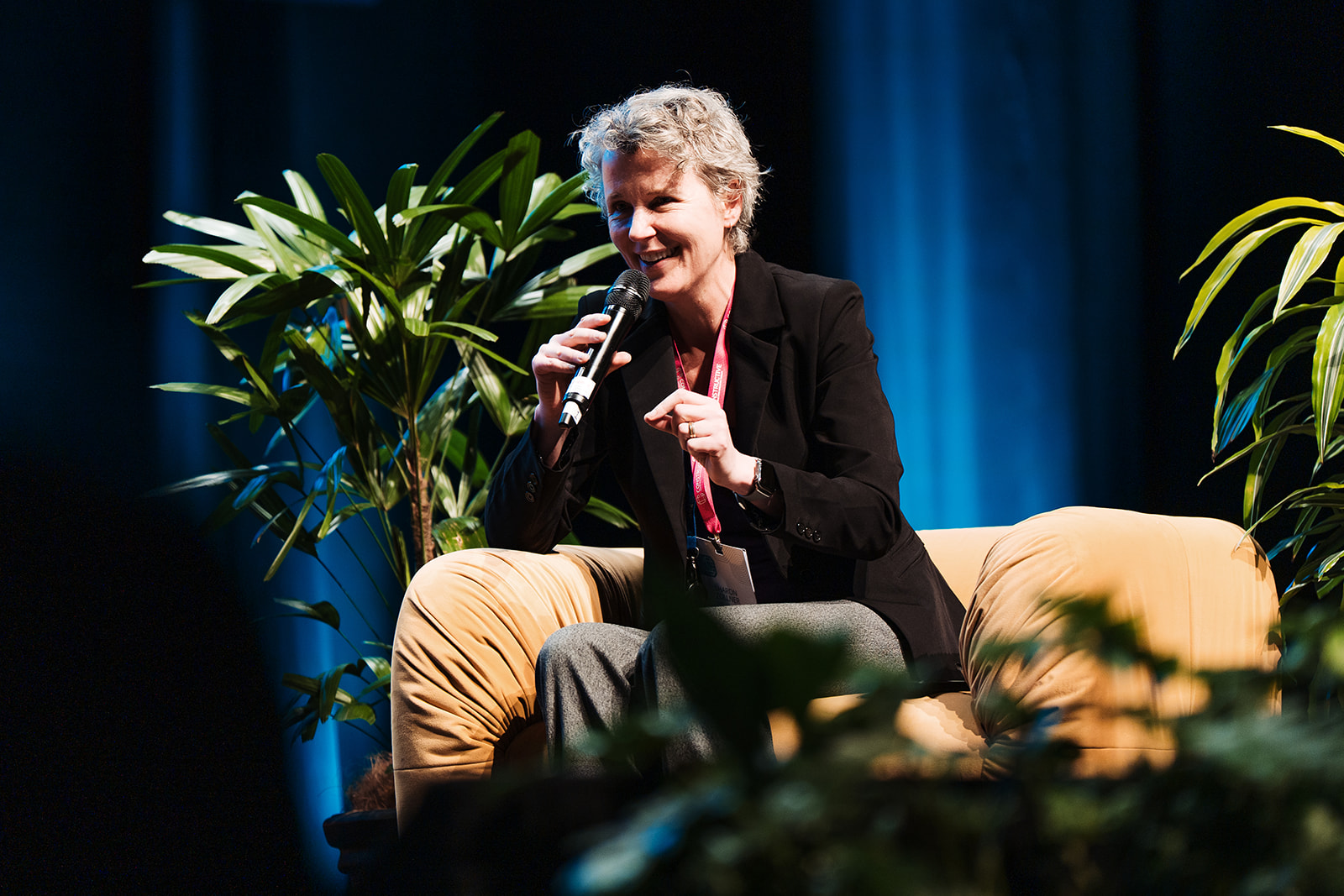 One of the most engaging sessions came from ANZ Chief Economist Sharon Zollner, whose message was cautiously positive: some of the fundamentals are improving, but recovery will not happen everywhere at the same time or move in a straight line.
That aligns with our State of the Sector results - pipelines are strengthening, but finance, costs and customer confidence are still affecting whether projects move forward.
For businesses, the question is what we are doing now to make sure we are stronger when the market improves.
Download Sharon Zollner’s presentation here.
What strong businesses are doing differently
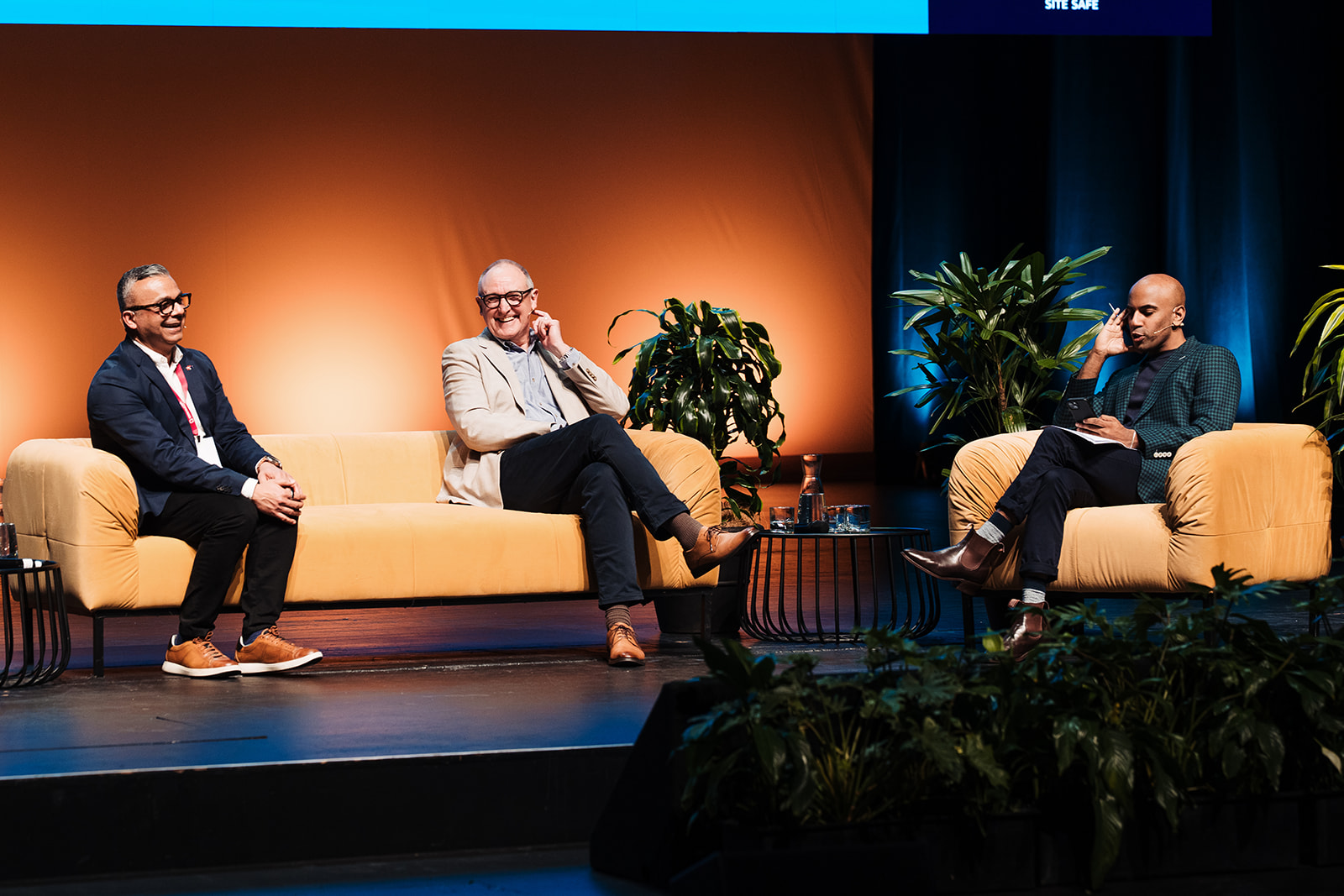 Master Builders CEO Ankit Sharma and business strategist Nigel Collin turned the focus to what builders can control, drawing on lessons from their national listening tour with successful construction businesses.
The businesses they visited are continually looking for ways to improve: finding where time is being wasted, listening to what customers value, sharing knowledge and trying new approaches. The lesson was that innovation does not have to mean inventing something completely new.
It can start with identifying a genuine problem and finding a better way to solve it, and businesses do not need to wait for the market to recover before doing that work.
Practical tools for stronger businesses
A big part of Constructive is making sure the conversations do not stay in the room. Across the breakout sessions, speakers shared practical tools, ideas and lessons that businesses can put into action now.
AI was a strong theme across the two days, with a clear message: start with a real business problem rather than technology for technology’s sake. PwC’s consenting demonstration showed how AI can help streamline preparation, improve documentation and get more of the fundamentals right before an application reaches council.
Communication was another recurring theme, coming through strongly in our homeowner research. Clear estimates and realistic allowances at the outset, regular updates during a build, early conversations about variations and not putting off difficult discussions can all make a significant difference.
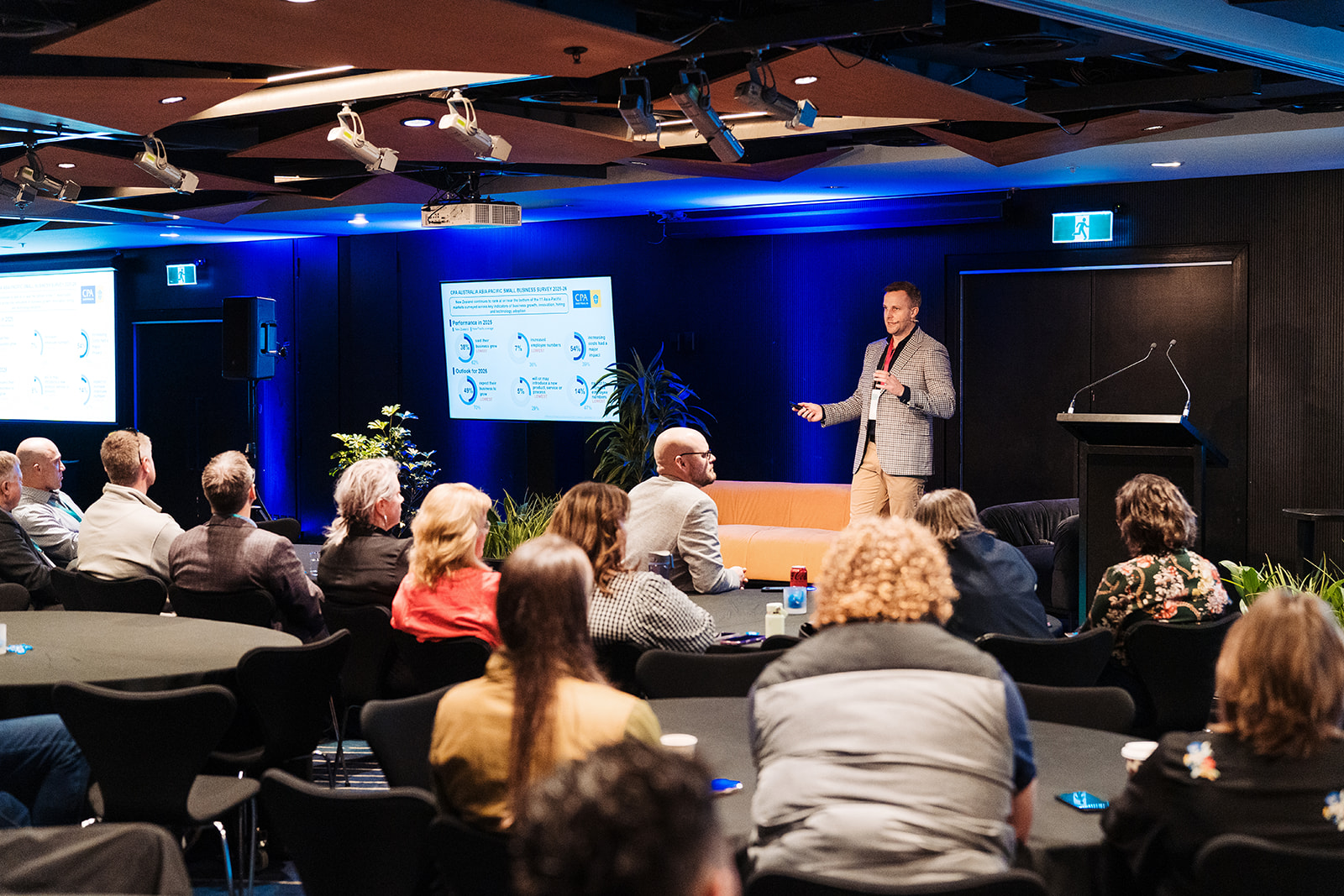 Luke Kemeys challenged business owners to think much earlier about what it takes to build a business that can operate without them. Building the right people, systems and structures into the business now creates greater resilience and more options for the future.
See the resources here.
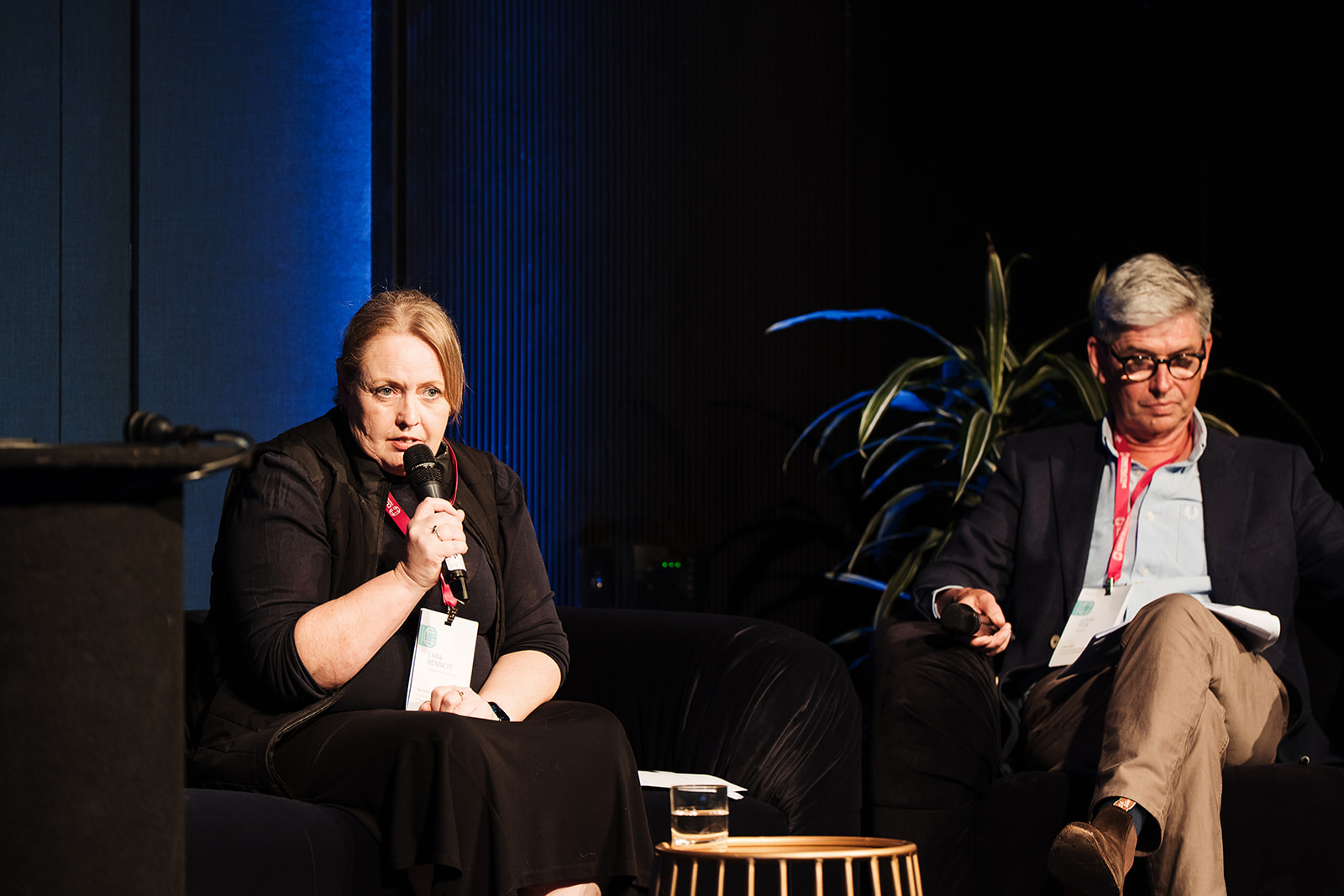 Lara Bennett and John Fisk brought decades of restructuring and insolvency experience to the question of why construction businesses get into trouble. They looked behind the headline failures at the patterns and warning signs that can emerge much earlier – and reinforced the value of recognising problems and acting before the options narrow.
See the resources here.
What you can do next
Constructive 2026 reinforced the value of bringing the sector together to tackle shared challenges, exchange ideas and turn them into practical action, but the real value comes from what happens afterwards.
Over the next few weeks, it's worth asking:
- Where are we losing time or duplicating effort? Pick one process and investigate whether AI or another digital tool could make it simpler.
- What are our people seeing that we are not? Ask your team where the frustrations are and what they would change.
- What are our customers telling us? Review how you communicate estimates, allowances, variations and progress, and where you could remove surprises.
- How well do we know our numbers? Stay close to margins, cashflow and the work that is genuinely profitable.
- What are we assuming about future work? Look closely at what is actually funded and coming to market.
- Who can we learn from? Stay connected and learn from businesses sharing what they have tried, what worked and what did not.
We will continue working on the bigger settings the sector needs - greater certainty, better consenting, a credible infrastructure pipeline and reforms that endure.
Constructive 2026 also reinforced that there is a great deal within our own control. The opportunity now is to take one or two of these ideas back into your business and start.
Thank you to everyone who joined us, contributed to the conversations and helped make the two days such a valuable forum for the sector. We look forward to continuing the conversation into 2027.
SAVE THE DATE
Constructive 2027 | 2 + 3 September | Auckland
Join our mailing list
Our sponsors’ support
Constructive would not be possible without the support of our sponsors. We especially acknowledge our Platinum Sponsors, Mitre 10 New Zealand, Construction Growth Foundation, and Squirrel.
“What we value about Constructive is its focus on the issues builders are dealing with every day, alongside the bigger conversations about where the sector is heading. This year delivered plenty of practical ideas for navigating change, strengthening businesses and responding to what customers need. For Mitre 10, being part of those conversations and staying closely connected with builders across the country is an important part of how we support the sector.”
- Nathan Buckley, Trade Development Manager, Mitre 10 New Zealand
“Congratulations to Master Builders on another successful Constructive. The event creates an important opportunity to look beyond the immediate construction cycle and consider what will make our sector stronger over the long term. This year’s conversations reinforced the need to keep investing in the capability of our people and preparing for what the next construction cycle will demand. These are priorities at the heart of the Construction Growth Foundation, and Constructive provides a strong platform to bring the sector together to tackle those challenges collectively.”
- Brian Dillon, Chief Executive, Construction Growth Foundation
“Constructive is always a great opportunity to get the industry together, have the big conversations and look at practical ways to tackle the challenges holding housing delivery back.
For us, a real highlight was launching 100% Turnkey with Master Builders. Access to capital remains one of the biggest constraints facing the sector, and 100% Turnkey gives good builders another way to fund construction, keep projects moving and respond to changing buyer demand.
That’s the kind of problem we like solving at Squirrel. Finding better ways to get projects funded and more quality homes built.”
- John Bolton (JB), Founder and Group Head of Property Finance, Squirrel